Researchers described a key role of mitochondrial respiration in early tumour growth
The team of Institute of Biotechnology of Czech Academy of Sciences at the BIOCEV center, led by Renata Zobalova and Jiri Neuzil, has shown that mitochondrial respiration is a requirement for early tumour growth. A study just published in Cancer Research reveals that cancer cells with aberrant mitochondrial respiration activate an intriguing salvage mechanism: using horizontal mitochondrial transfer, they acquire fully functional mitochondria from neighbouring host cells.
The acquired mitochondria allow cancer cells to assemble respiratory mitochondrial conplexes and restore de novo synthesis of pyrimidines, building blocks of DNA and RNA. Suppression of this pathway precludes fast cell division and proliferation.
„Lack of fully functional mitochondria can be overcome by cancer cells by their import from the tumour microenvironment. Only after restoration of respiration and synthesis of pyrimidines can the tumour proficiently grow,“ says Jiri Neuzil
The key enzyme DHODH as the Achilles heel of cancer cells
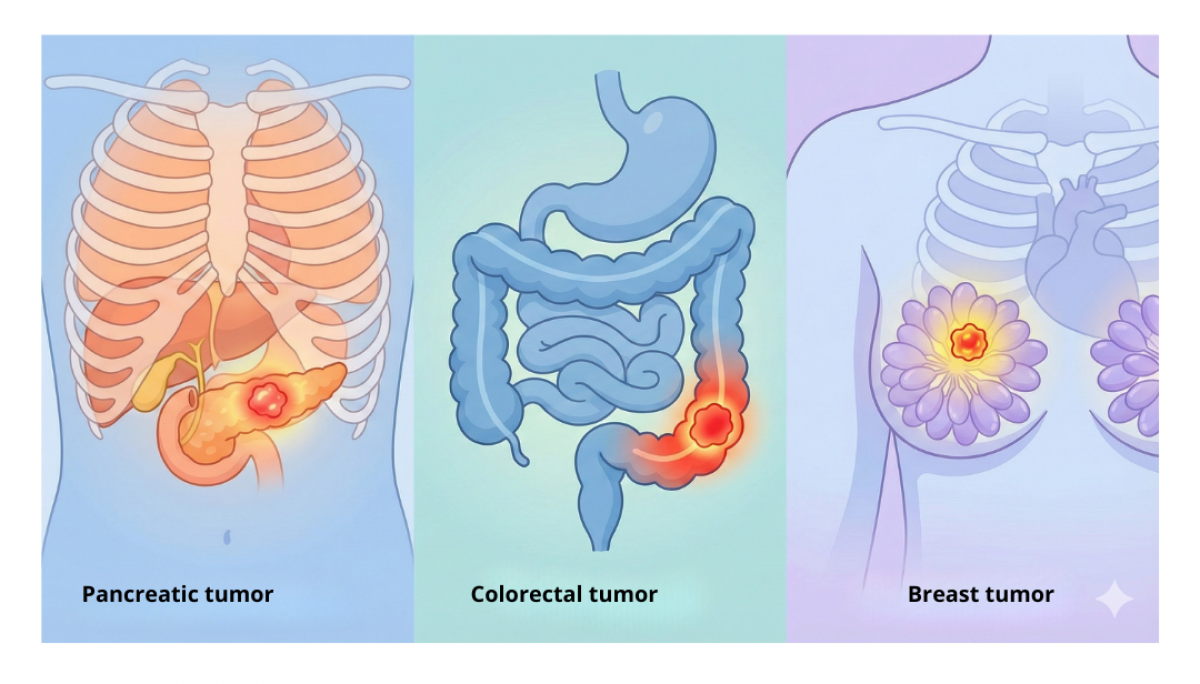
The research also shows that removal of the gene coding for dihydroorotate dehydrogenase (DHODH) – essential for de novo pyrimidine synthesis – completely blocks proliferation of cancer cells. This effect has been documented for several types of cancer, including breast, colorectal and pancreatic cancer.
According to the authors of the study, DHODH thus presents a promising target for cancer therapy across the landscape of neoplastic diseases.
Microenvironment as a source of mitochondria
The study also shows that cancer cells with aberrant mitochondrial respiration sculpt their microenvironment. This involves homing, soon after cancer cell grafting, of pro-tumour immune cells as well as mesenchymal stem cells that serve as major donors of mitochondria. Such microenvironment actively supports restoration of the metabolic function and the subsequent tumour growth.
International collaboration and broader context
The study is based on collaboration of several institutes of the Czech Academy of Sciences (Institute of Molecular Genetics, Institute of Experimental Medicine) and institutions in Italy and New Zealand. The results point to essential role of mitochondrial respiration in early stages of tumour growth and show that blockade of de novo pyrimidine synthesis may be an efficient strategy for suppressing or complete inhibition of tumour progression.
Publication: Dubisova M, Bohacova K, Nahacka Z, Kraus D, Novak J, Dvorakova S, Brisudova P, Danesova N, Selvi S, Hrysiuk M, Endaya BB, Botsios P, Le DT, Novotna M, Vodenkova S, Truksa J, Chalupsky K, Klima K, Prochazka J, Sedlacek R, Mengarelli F, Orlando P, Tiano L, Boukalova S, Berridge MV, Zobalova R, Neuzil J. Dihydroorotate dehydrogenase is essential for efficient tumor growth. Cancer Res, doi: 10.1158/0008-5472.CAN-24-0737.
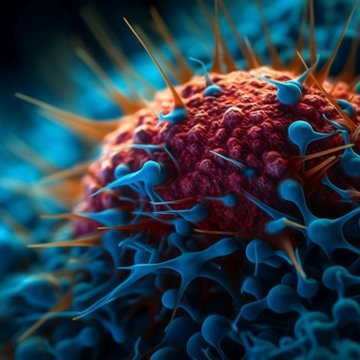
Title image: Freepik.com